The Ultimate Guide to HVAC Solutions for Your Business
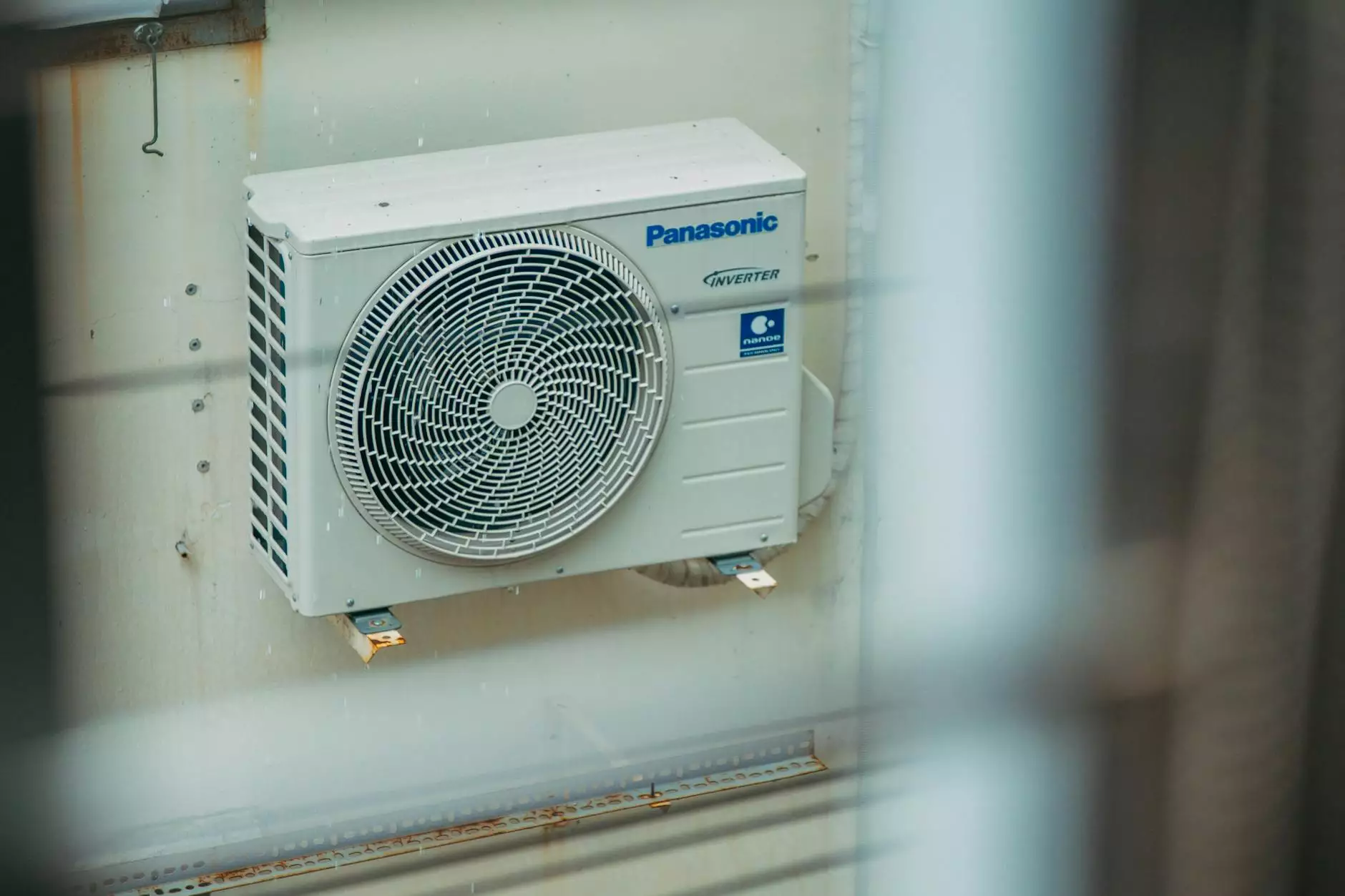
In today's fast-paced world, the importance of effective Heating, Ventilation, and Air Conditioning (HVAC) systems cannot be overstated. For businesses, it is not just a matter of comfort but a vital component for operational efficiency and productivity. This comprehensive guide delves deep into various aspects of HVAC systems and how they can be optimized for your business needs. From the technical details to practical tips, we aim to provide you with all the information necessary to make informed decisions regarding your heating and air conditioning systems.
Understanding HVAC: A Necessity for Modern Businesses
HVAC systems play a crucial role in maintaining the indoor environment of a business. They ensure that employees and customers alike are comfortable, which can significantly impact productivity and customer satisfaction. Understanding the core components of your HVAC system is essential:
- Heating: This element provides warmth during colder months, often through furnaces or heat pumps.
- Ventilation: This process brings in fresh air and expels stale air, which helps regulate indoor air quality.
- Air Conditioning: A cooling system that removes heat from indoors to maintain a comfortable temperature, particularly in warmer climates.
The Benefits of a Well-Maintained HVAC System
Investing in a quality HVAC system and maintaining it properly can yield significant benefits:
1. Enhanced Comfort
A well-functioning HVAC system provides a comfortable work environment. Comfortable indoor temperatures lead to increased employee satisfaction and productivity.
2. Improved Air Quality
Proper ventilation reduces indoor pollutants, allergens, and airborne diseases. This can lead to lower instances of sick days among employees.
3. Energy Efficiency
Modern HVAC systems are designed for energy efficiency. Adopting energy-efficient practices can lead to substantial savings on utility bills.
4. Reliability and Consistency
Regular maintenance ensures that HVAC systems operate efficiently without interruptions. Reliable systems minimize the risk of unexpected breakdowns.
5. Compliance with Regulations
Many areas have regulations regarding indoor air quality. A properly maintained HVAC system helps businesses comply with these standards, avoiding potential fines.
Choosing the Right HVAC System for Your Business
Selecting the right HVAC system is crucial for ensuring that your business has optimal heating and cooling. Here are some key considerations:
1. Assess Your Space
Consider the size of your facility and how many rooms require climate control. Larger spaces may require more powerful systems or multiple units.
2. Understand Your Needs
Evaluate your heating and cooling needs based on the layout, occupancy, and usage patterns of your space. Different businesses have unique requirements.
3. Energy Efficiency Ratings
Look for systems with high SEER (Seasonal Energy Efficiency Ratio) and AFUE (Annual Fuel Utilization Efficiency) ratings to ensure lower energy costs and reduce your carbon footprint.
4. Professional Installation
Ensuring the system is installed correctly is just as important as choosing the right unit. Work with professionals from reliable companies like dihaairconditioning.com for optimal results.
Maintenance Practices for Peak Performance
Regular maintenance is vital to prolonging the life of your HVAC system. Implementing a proactive maintenance schedule can prevent issues before they manifest. Consider the following practices:
- Routine Inspections: Conduct seasonal checks of your HVAC system to assess performance and spot potential issues.
- Filter Changes: Change filters regularly to ensure airflow is not restricted, which can hinder efficiency.
- Coil Cleaning: Clean evaporator and condenser coils to maintain efficiency and prevent damage.
- Check Thermostat Settings: Ensure that thermostats are functioning correctly and are set to optimal levels.
- Seal Ductwork: Inspect and repair any leaks in the ductwork to improve efficiency and indoor air quality.
Embracing Smart HVAC Technology
Integrating technology into your HVAC systems can provide significant benefits:
1. Smart Thermostats
Smart thermostats learn your business's heating and cooling patterns, optimizing energy use and ensuring comfortable conditions with minimal energy waste.
2. Automation Systems
Automated HVAC systems can adjust settings based on occupancy, time of day, and even outdoor temperatures, creating a more responsive and energy-efficient environment.
3. Remote Monitoring
With remote monitoring capabilities, you can oversee your HVAC system's performance in real-time, allowing for immediate responses to any irregularities or breakdowns.
The Importance of Having a Reliable HVAC Partner
The complex nature of HVAC systems necessitates partnering with a reliable company for installation, maintenance, and support. Companies like dihaairconditioning.com are industry leaders in providing tailored solutions to meet diverse business needs.
1. Expertise and Experience
Choosing a knowledgeable contractor means you benefit from their expertise in identifying the best systems for your unique requirements.
2. Comprehensive Support
A reliable HVAC partner provides ongoing support, maintenance, and repairs, ensuring your system operates efficiently year-round.
Conclusion: Invest in Your Business's Future with Quality HVAC Solutions
In conclusion, an effective HVAC system is an essential aspect of any successful business. From comfort and productivity to energy efficiency and compliance, the benefits are clear. By choosing high-quality systems and ensuring regular maintenance, businesses can maximize the value of their investments. Consider reaching out to expert providers like dihaairconditioning.com to ensure your HVAC needs are not only met but exceeded. The future of your business's climate control is in your hands—make it a smart investment!
https://dihaairconditioning.com/