Understanding the Manifold Valve Function: An Ultimate Guide to Business Success in Tube Fittings and Valve Manufacturing
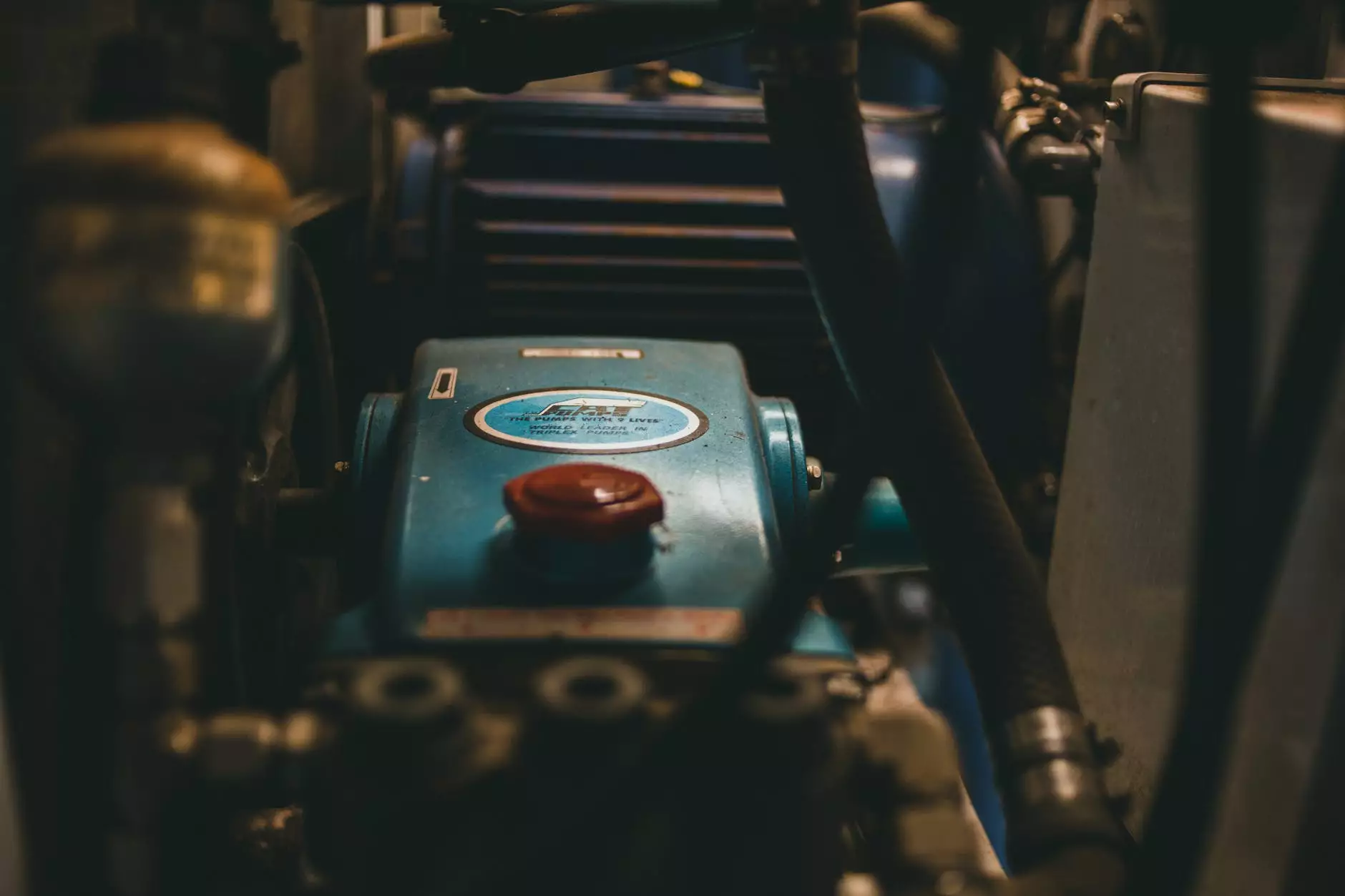
In the realm of industrial piping systems and fluid control solutions, the manifold valve function plays a pivotal role in managing, directing, and controlling the flow of liquids and gases. For businesses involved in manufacturing, distributing, and installing tube fittings, valves, and flanges, understanding the manifold valve function is essential to optimize operations, ensure safety, and enhance overall efficiency.
What is a Manifold Valve and Why is it Critical in Industrial Applications?
A manifold valve is a complex assembly of multiple valves or ports arranged in a configuration that allows the distribution, isolation, and control of flow within a piping or tubing network. The core purpose of a manifold valve is to provide a centralized control point that simplifies system operations, reduces the need for multiple individual valves, and offers precise regulation of fluid flow.
The manifold valve function encompasses various functionalities such as directing flow between multiple outlets, isolating sections for maintenance, and enabling selective control over different process streams. This versatility makes it indispensable in industries like oil and gas, chemical processing, pharmaceuticals, food processing, and HVAC systems.
The Core Components and Construction of a Manifold Valve
Understanding the components involved in a manifold valve aids in grasping its functionality:
- Body: The main structure housing internal channels and ports, often made from stainless steel, brass, or other corrosion-resistant materials.
- Valves: Multiple types such as ball valves, needle valves, check valves, or control valves integrated within the manifold.
- Ports and Fittings: Connectors like tube fittings, ferrule fittings, NPT fittings, and flanges that ensure secure connections.
- Actuators: Manual or automated mechanisms to operate and control valve movements.
- Seals and Gaskets: Maintain integrity and prevent leaks during operation.
The Manifold Valve Function in Detail
The functionality of a manifold valve is multi-layered, serving several key operational roles in complex piping systems:
1. Flow Distribution and Diversion
Manifold valves enable the distribution of a single input flow to multiple outputs or vice versa. This is vital in scenarios where a single source supplies multiple branches, allowing operators to control which branch receives fluid at any given time.
2. Isolation and Safety
By incorporating control valves within the manifold, operators can isolate specific sections of the system for maintenance or safety procedures. This ensures continuous operation elsewhere while work is performed.
3. System Optimization
Through precision control, manifold valve function allows for optimized flow rates, pressure regulation, and system balancing, leading to energy savings, prolonging equipment lifespan, and improving process quality.
4. Monitoring and Diagnostics
Modern manifold systems often incorporate sensors and automation components, enabling real-time monitoring and diagnostics to detect leaks, pressure drops, or malfunctions instantly.
Types of Manifold Valves and Their Specific Functions
Different types of manifold valves serve varied purposes, tailored to specific industrial needs:
- Ball Manifold Valves: Offer quick on/off control, ideal for applications requiring rapid shutoff with minimal pressure drop.
- Needle Manifold Valves: Provide fine flow control, suitable for precise measurement systems.
- Double Ferrule Manifold Fittings: Ensure leak-proof connections, essential for high-pressure systems and gas lines.
- Single Ferrule and NPT Fittings: Facilitate easy assembly and disassembly, suitable for modular systems and maintenance.
- Check Valves integrated in the manifold: Prevent backflow, maintaining directional safety.
The Significance of Material Quality in Manifold Valve Functionality
Choosing the correct materials for manifold valves significantly impacts their functionality and durability:
- Stainless Steel: Corrosion resistance, ideal for corrosive environments and high-pressure applications.
- Brass: Cost-effective, suitable for less aggressive fluids and moderate pressure systems.
- PVC and Plastic Fittings: Lightweight, chemical resistance, appropriate for non-high-pressure applications.
Superior material selection enhances valve lifespan, reduces maintenance needs, and improves overall system safety.
Integrating Manifold Valves with Other Tube Fittings and Components
In modern piping systems, manifold valves are often used alongside various *tube fittings*, including ferrule fittings, threaded pipe fittings, flanges, and check valves. Proper integration ensures seamless operation and leak-proof connections.
For example, double ferrule tube fittings are often preferred for high-pressure and high-purity applications, providing robust sealing and preventing leaks around the manifold connections. NPT fittings facilitate quick installation and disassembly, enabling easier system maintenance and expansion.
Advantages of Implementing Advanced Manifold Valve Function in Your Business
Adopting sophisticated manifold valve systems offers several benefits that directly impact your business performance:
- Enhanced Operational Efficiency: Precise control over multiple flow paths reduces downtime and improves process throughput.
- Cost Savings: Centralized control minimizes the number of individual valves needed, reducing investment and maintenance costs.
- Improved Safety: Effective isolation reduces the risk of leaks, accidents, and system failures.
- Scalability and Flexibility: Modular designs allow easy system expansion tailored to evolving business needs.
- Compliance and Certification: High-quality valves meet industry standards, ensuring regulatory adherence and customer trust.
Choosing the Right Suppliers for Quality Manifold Valves and Tube Fittings
Successful businesses depend on reliable hardware. When selecting suppliers like techtubes.in, it's essential to consider their range of products:
- Comprehensive catalogue of tube fittings, flanges, valves, and accessories.
- Certifications ensuring compliance with international quality standards.
- Customization options tailored to specific industry needs.
- Technical support for installation, maintenance, and troubleshooting.
- Competitive pricing and reliable delivery schedules.
Conclusion: Unlocking Business Potential with Advanced Manifold Valve Function
In conclusion, understanding the manifold valve function is vital for any business engaged in fluid management, piping system design, or valve manufacturing. The ability to control and distribute fluids efficiently through well-designed manifold systems directly influences operational productivity, safety, and profitability.
Investing in high-quality tube fittings, ferrule fittings, flanges, and valves from trusted suppliers like techtubes.in can propel your business forward. Whether your focus is on industries like chemical processing, oil & gas, pharmaceuticals, or industrial automation, mastering the manifold valve function is your strategic advantage.
Embrace Innovation and Excellence in Your Fluid Control Systems Today
By prioritizing quality, precision engineering, and comprehensive understanding of the manifold valve function, your business will enjoy enhanced efficiency, durability, and customer satisfaction. Make informed decisions, leverage cutting-edge technology, and stay ahead in a competitive market landscape.